Essays
Essays That Worked: What Admissions Readers See
The application essays that survive a long reading day share habits, not topics — and most of those habits are older than the application itself.
Extended essays on belief and its aftermath: doubt, grief, ritual, inherited tradition and the decision to stay or leave. Personal writing sits beside critical argument, and neither resolves the question for the reader. For people who read essays slowly and return to them.
The application essays that survive a long reading day share habits, not topics — and most of those habits are older than the application itself.
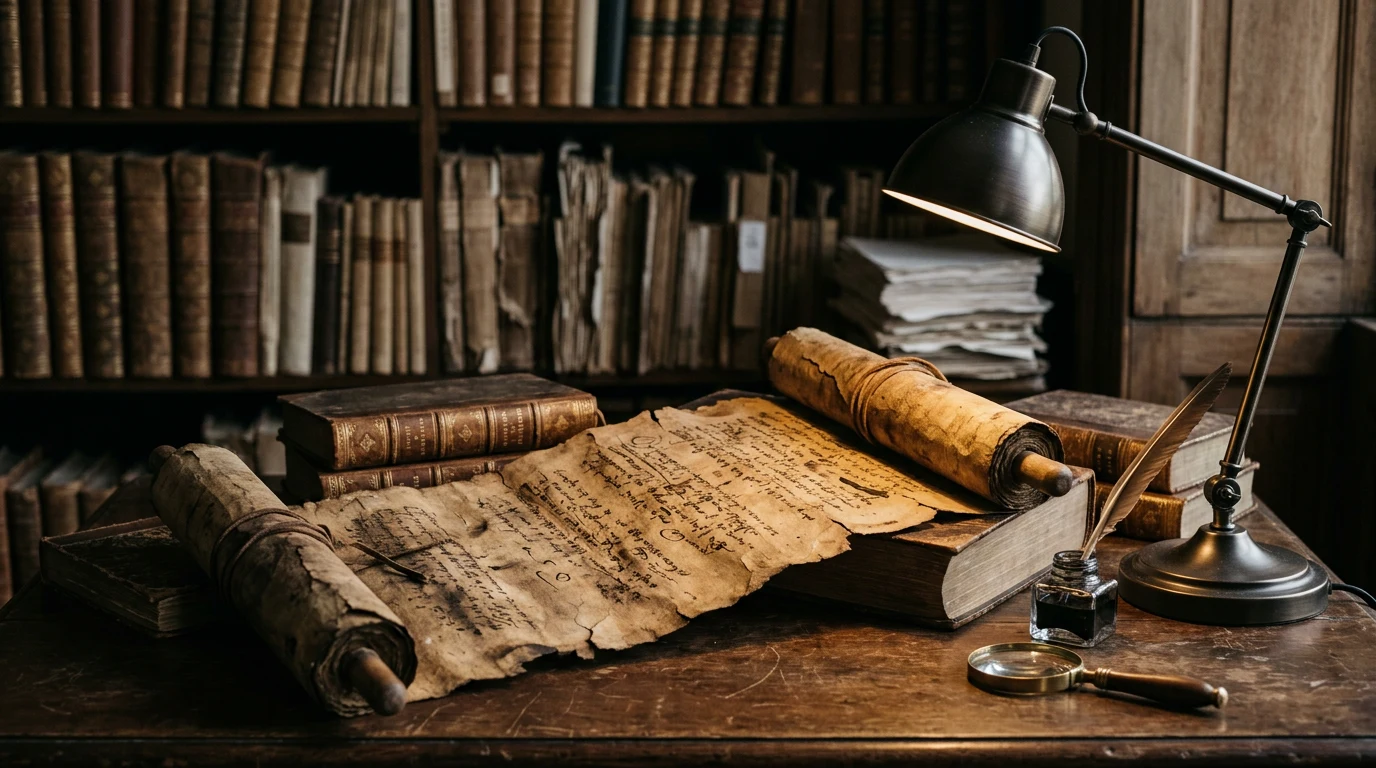
The Great Isaiah Scroll, found in a Qumran cave in 1947, let readers hold a Hebrew Bible text a millennium older than any known before it — and trace, jar to vault, how that survival was verified.
Lectio divina, four rungs, and a mouthful of text: a definition by way of Guigo II.

Founded by salesmen in 1899, the Gideons turned the hotel nightstand into the quietest library in the world.
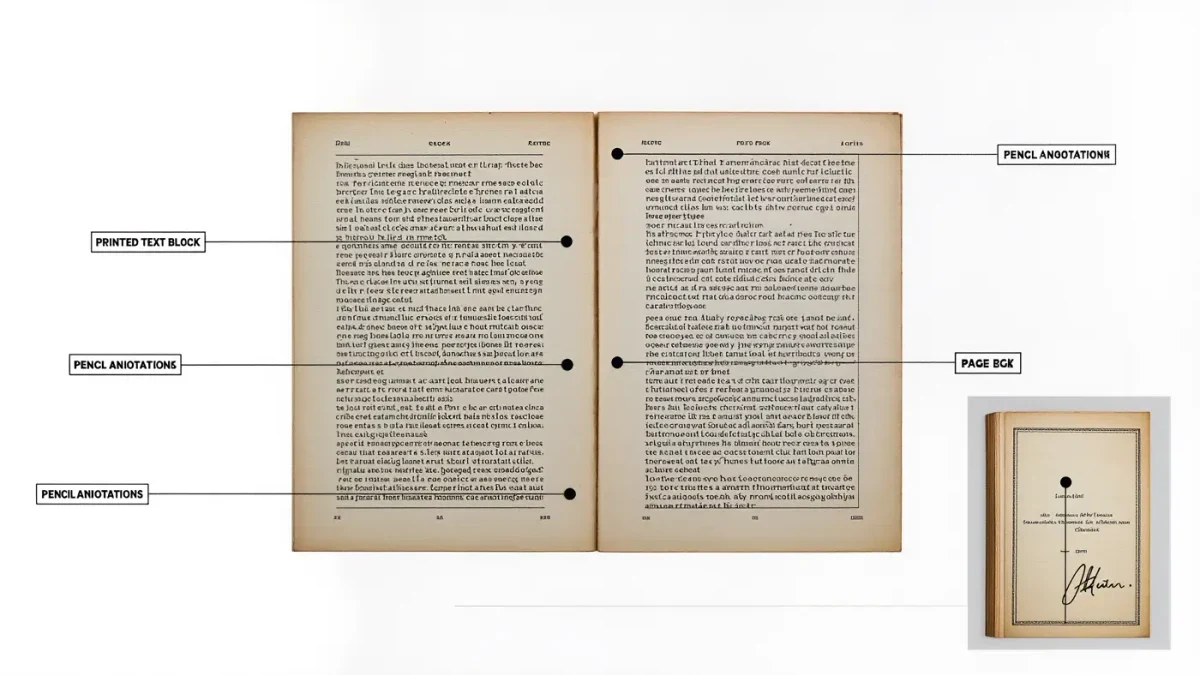
Glosses, colophons, inscriptions, pencil: the second text inside every used religious book.
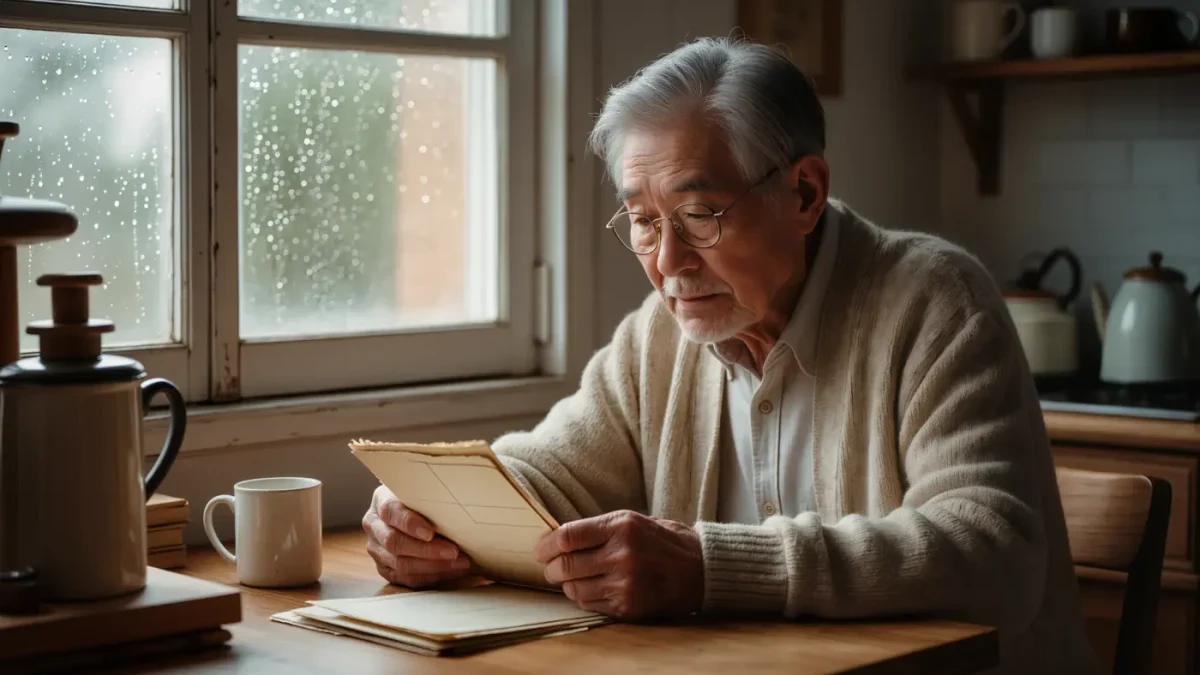
Theology smuggled out of cell 92: Bonhoeffer’s Tegel letters and the idea he did not live to finish.
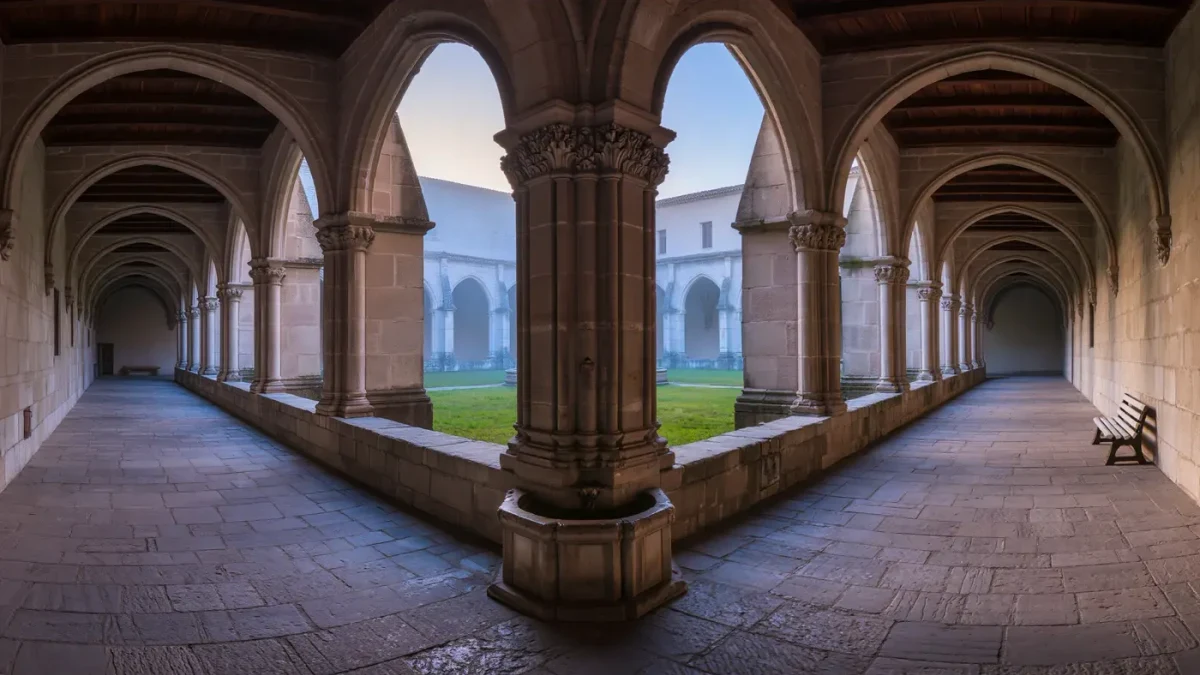
A Protestant poet among Benedictines, and what years of psalms at fixed hours do to a writer’s ear.
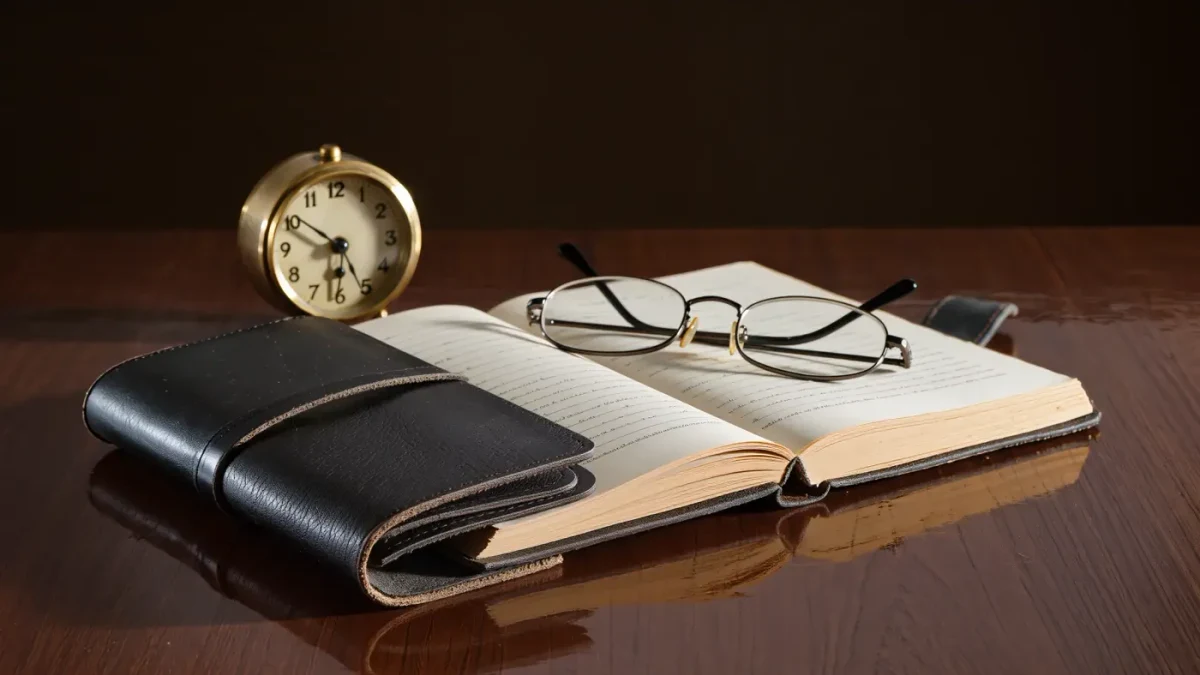
Thirty-six years of private entries by a UN Secretary-General — a White Book of negotiations with himself and with God.

A college notebook of raw petitions, kept at Iowa in 1946–47, shows the theology before the fiction.
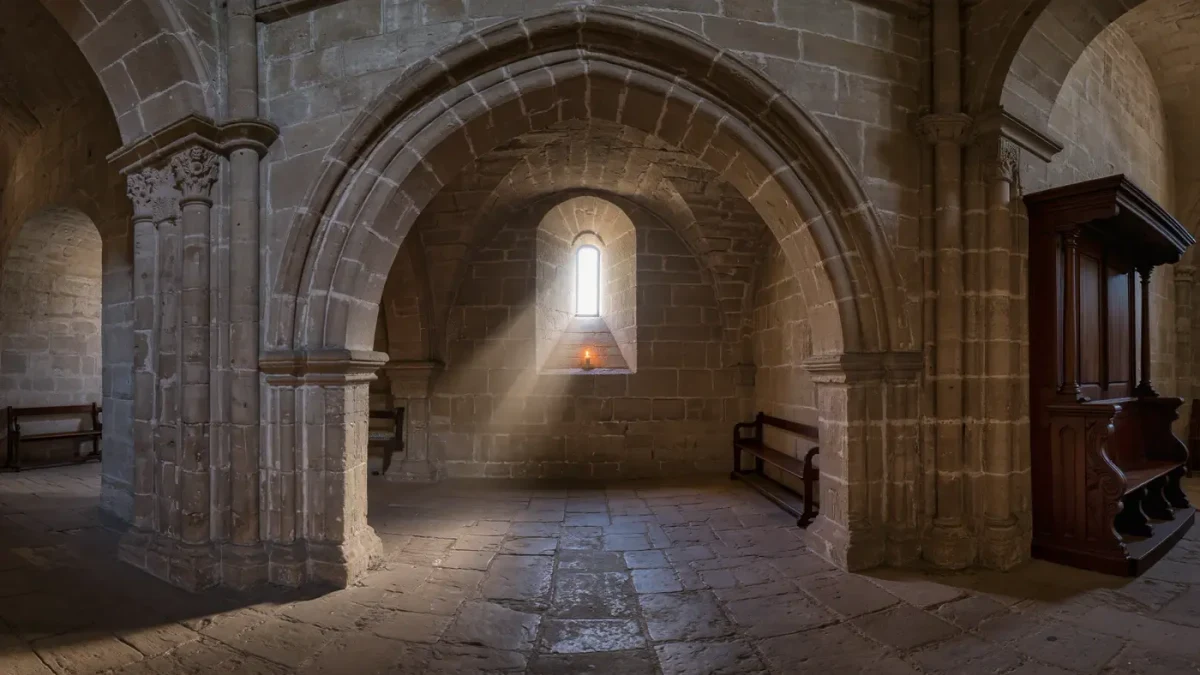
A hazelnut, sixteen showings, and a promise in the future tense — the first book in English by a woman whose name nobody wrote down.